Skip to content Skip to footer
Saudi Identity • Design • Manufacturing

Implementing Saudi Heritage Style for Projects

Design, manufacturing, and execution of wooden elements inspired by Saudi architectural styles for hospitality, residential, tourism, commercial, and cultural projects.

Discuss Your Project with Qnadeel ↗
From Identity to Execution

We Don't Just Document Heritage

We know how to transform it into elements that can be designed, manufactured, and executed within a real project.

Explore Project Solutions ↗

Qnadeel Furniture — Implementing Heritage Style

Saudi Architectural Identity

Qnadeel Furniture believes that one of its primary missions and national affiliations is to contribute to preserving the distinctive architectural heritage of Saudi architecture and the urban style of all regions of the Kingdom of Saudi Arabia where Qnadeel Furniture offers wooden products with an old architectural style from antique wooden doors, windows, prominent balconies, wooden corridors, seating areas, and all suitable decorations for these styles in wood, making us a Saudi factory contributing to the preservation of this authentic architectural art.

Saudi Architecture is an essential part of enhancing quality of life, as it contributes to improving the urban landscape and celebrating cultural heritage through its unique designs that reflect heritage, urban authenticity, and modern development simultaneously, to achieve the objectives of Saudi Vision by developing sustainable urban environments that reflect national identity.
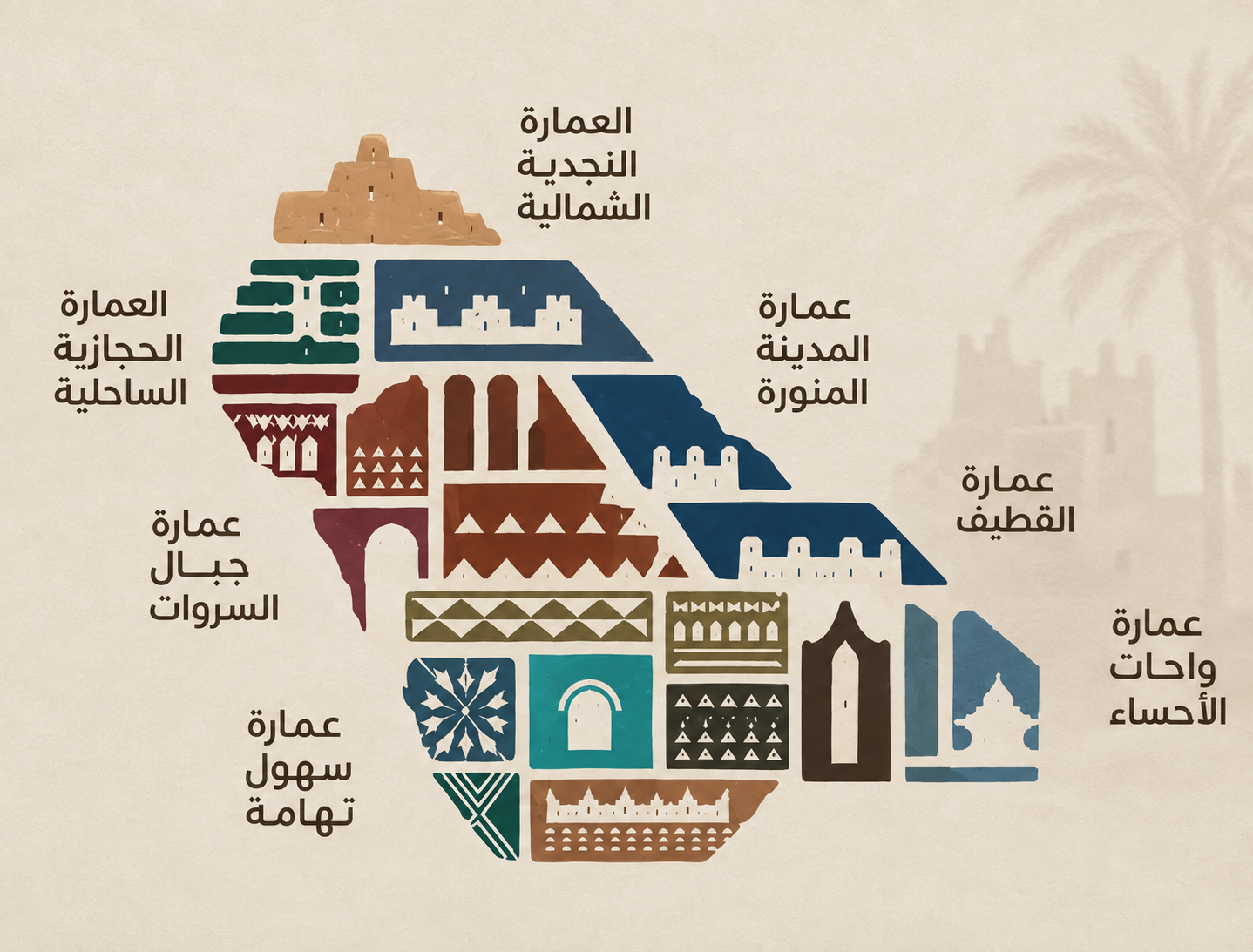
Saudi Architectural Style Map - Qnadeel Furniture
SAUDI ARCHITECTURAL IDENTITY
WHY A SPECIALIZED FACTORY

Why Does Implementing Heritage Style Require a Specialized Factory?

Implementing heritage style is not just manufacturing wooden products; it is an integrated system that combines understanding architectural identity, manufacturing capability, custom execution, project management, coordination with drawings, and supply.

01

Understanding Architectural Identity

Reading Najdi, Asiri, Hijazi, and Eastern Coastal styles and understanding their architectural and artistic details precisely.

02

Manufacturing Capability

Specialized production lines and manufacturing expertise capable of executing heritage wooden works to the highest quality standards.

03

Custom Element Execution

Developing and manufacturing non-standard elements according to the drawings, designs, and identity specific to each project.

04

Handling Projects and Quantities

Managing large quantities and repetitive elements within multi-unit and multi-phase projects.

05

Unifying Details

Maintaining consistency in dimensions, finishes, and ornaments across all elements throughout the project scope.

06

Coordination with Drawings

Reading drawings, specifications, and bills of quantities and converting them into manufacturable elements.

07

Supply for Projects

Organizing supply and delivery within the project scope according to timelines and site requirements.

08

Combining Heritage and Contemporary Design

Reformulating heritage elements to suit modern architecture requirements without losing identity.

01
SAUDI ARCHITECTURE

Saudi Architecture

Saudi architecture encompasses numerous architectural styles and includes design elements distributed across the geographical scope of the Kingdom of Saudi Arabia, most notably:

01 Najdi Architecture
02 Asiri Architecture
03 Hijazi Architecture
04 Eastern Coastal Architecture
ARCHITECTURAL DOCUMENTATION

A spatial documentation of the authentic and diverse architecture across the various regions of the Kingdom, aiming to highlight the diversity that distinguishes each region based on its geographical, urban, cultural, and climatic characteristics.

The map reflects traditional building methods and demonstrates how they can influence modern architectural designs, thereby enhancing the continuity of these styles in the Saudi urban landscape in a modern manner.

02
NAJDI ARCHITECTURAL STYLE

Najdi Architectural Style

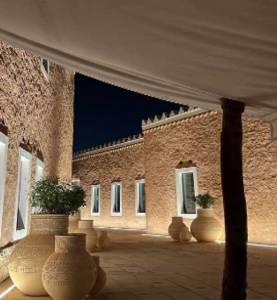
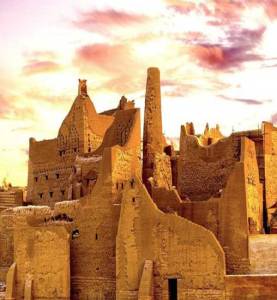
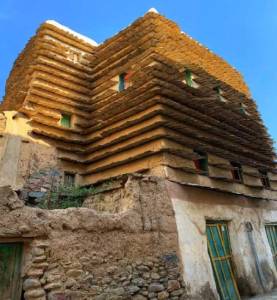
Najdi Architecture Najdi architecture originates from the heart of the Kingdom of Saudi Arabia, where its features are shaped by the terrain of plateaus and rich valleys. Geographical characteristics contribute to forming an integrated urban environment and help this style adapt to the climate that varies between hot summers and cold winters, thereby enhancing building sustainability.

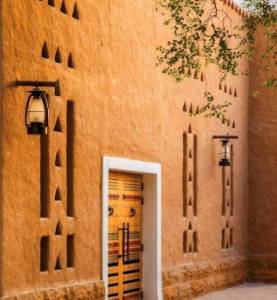
Traditional dwellings are built from mud dried under the sun and adorned with serrated rooftops coated with white gypsum known as  Al-Sitrah (Al-Darwah) to protect the mud walls from weather conditions.

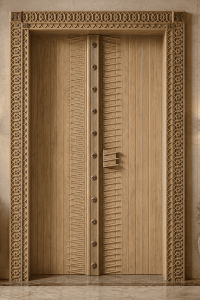
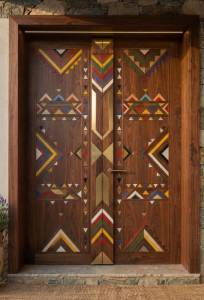
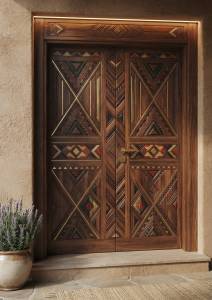
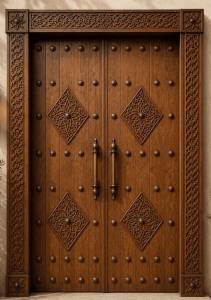
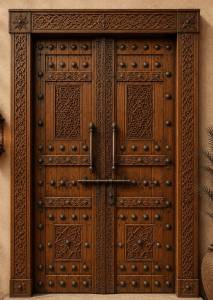
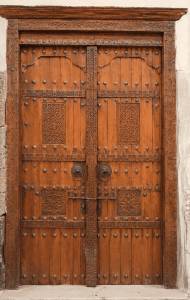
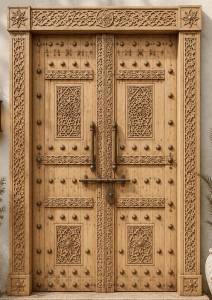
Small geometric openings also contribute to providing ventilation and natural lighting, while decorative elements — such as  Al-Tarmah, Al-Mazarib, and triangular bands — add a harmonious blend of aesthetics and function. As for wooden doors decorated with intricate carvings, they give buildings a unique architectural character that reflects  the authenticity of Najdi architecture and its cultural depth.

ASIRI ARCHITECTURAL STYLE

Asiri Architectural Style

09

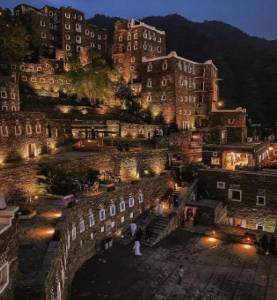
The architectural style of the Asir highlands is embodied in its ability to adapt to the unique climate and diverse terrain of the Sarawat mountains in the Asir region.

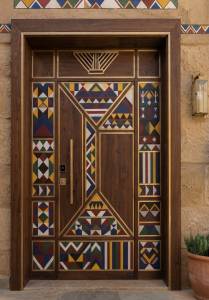
Buildings are characterized by the use of local materials such as stone and mud bricks, and are designed to withstand heavy rains and low temperatures. Buildings feature compact masses with geometric shapes, flat roofs, and narrow, tall windows that contribute to controlling humidity and temperatures. Buildings are characterized by a base of local stone for protection from rain, while the upper facades are built from mud to improve thermal efficiency.

The style is also characterized by the use of traditional artistic patterns such as "Al-Qatt Al-Asiri" to add a decorative dimension. All these elements aim to create an architectural and urban style harmonious with the surrounding environment.
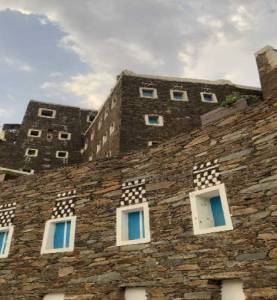
ASIRI HERITAGE · DESIGN · MANUFACTURING · EXECUTION

We Transform Asiri Style Details into Executable Architectural Elements

At Qnadeel Furniture, we work on employing the distinctive features of the Asiri style in wooden elements and architectural details while preserving the spirit of heritage identity, taking into account the design and execution requirements in contemporary projects.

Our expertise includes developing solutions inspired by the Asiri style for hospitality, residential, tourism, commercial, cultural, and other projects, whether the project relies on a complete Asiri identity or needs to employ heritage elements within a modern architectural design.

Do you have a project, design, idea, or architectural details inspired by Asir? Discuss the execution requirements with the Qnadeel team.

Discuss Your Asiri Project with Qnadeel ←
02 ASIRI
HERITAGE
SAUDI ARCHITECTURAL IDENTITY
HEJAZI ARCHITECTURAL STYLE

Hejazi Architectural Style

Coastal Hejazi architecture extends along the Red Sea, influenced by the coastal nature, cultural interaction, and geographical diversity.

The city of Jeddah is the largest city in this region, where it played a major role as a commercial port and a main station for exchanging knowledge and expertise, which was reflected in its distinctive urban patterns.

The role of the coastal climate in shaping designs is evident, as the Roshans and prominent balconies contribute to enhancing natural ventilation, while decorated windows with small openings provide integration between privacy and aesthetic function.

The style is characterized by a clear division in facades with complex geometric decorative elements, giving it a rich visual character that reflects the spirit of the place.
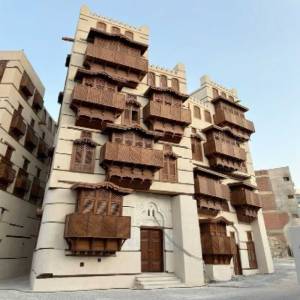

SAUDI HERITAGE Roshans · Wood · Geometry · Identity
03
DESIGN · MANUFACTURING · EXECUTION

We Transform Hejazi Identity into Executable Architectural Details

Qnadeel Furniture has expertise in designing and executing wooden elements inspired by the Hejazi architectural style, with attention to the details that give Roshans, doors, windows, and wooden elements their distinctive identity within contemporary projects.

We work on developing solutions inspired by Hejazi architecture for hospitality, residential, tourism, commercial, cultural, and other projects, achieving a balance between heritage identity and the requirements of design, manufacturing, and execution.

Do you have a special project, architectural design, heritage idea, or desire to employ the Hejazi identity within a new or existing project? Discuss the project requirements with the Qnadeel team.

Discuss Your Hejazi Project with Qnadeel ←
HEJAZI ARCHITECTURAL HERITAGE
EASTERN COASTAL ARCHITECTURE

Architectural Style of the Eastern Coast
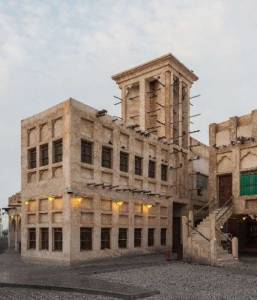
About the Eastern Coastal Style

The Eastern Coastal architectural style is shaped by the coastal environment of the Kingdom and its development. Traditional architecture is characterized by the use of sturdy walls of coral stone, often coated with white gypsum to improve heat resistance, large recessed openings with wooden shutters, and Mashrabiyas designed to withstand the hot and humid climate, along with distinctive architectural elements such as fine gypsum ornaments and triangular arches, and high entrances with floral motifs.

Traditional houses are centered around courtyards shaded by arcades, which enhances privacy and climate adaptation, and the traditional Eastern Coastal architectural style can take multiple forms in contemporary architectural designs.

Distinctive Architectural Elements of the Eastern Coastal Style

Coral Stone

Sturdy walls of coral stone coated with white gypsum for heat resistance.

Wooden Mashrabiyas

Mashrabiyas designed to withstand the hot and humid climate while providing privacy.

Triangular Arches

Distinctive architectural elements with fine gypsum ornaments and high entrances.

Floral Motifs

High entrances with floral motifs and courtyards shaded by arcades.

Are you looking to implement the Eastern Coastal architectural style in your project?

The Qnadeel Furniture team is ready to transform this architectural identity into luxurious, custom wooden elements.

Discuss Your Project with Qnadeel
HERITAGE WOODEN ELEMENTS

What Does Qnadeel Factory Execute from Heritage Style?

At Qnadeel Furniture, the features of Saudi architectural style are transformed into wooden elements that are designed, manufactured, and executed according to the nature of the project and its architectural identity, from the main elements to the details that give spaces their distinctive heritage character.

The System of Wooden and Architectural Elements

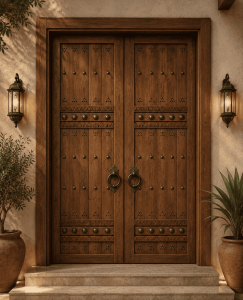
Heritage Wooden Doors
Main Entrance Doors
Interior Doors
Wooden Windows
Roshans
Mashrabiyas
Balconies and Projecting Elements
Wooden Panels and Ornaments
Wooden Corridors and Arches
Ceilings and Architectural Elements
Majlis
Cabinets and Wooden Furniture
Decorations and Interior Elements
Custom Elements According to Drawings
FROM IDENTITY TO ELEMENT

From Architectural Identity to Executed Element

Najdi, Asiri, Hijazi, and Eastern Coastal styles are translated into wooden solutions that preserve the visual features of each style, while developing them to align with contemporary architectural language and project requirements. These elements are employed within a wide range of architectural environments, including hotels, resorts, residential, tourism, commercial, cultural, governmental, and private projects, in addition to projects of development and rehabilitation with a heritage character.

DESIGN · MANUFACTURING · EXECUTION

Integration of Design, Manufacturing, and Execution

Work begins with reading the architectural identity and design details, then developing the wooden elements to achieve integration between design, material, details, ornaments, dimensions, and execution requirements. This methodology enables the production of specialized elements according to architectural drawings and details, whether within a specific scope of the project or as an integrated system of wooden elements connected to the project's identity.

PROJECT-BASED ELEMENTS

Wooden Elements Built on Project Details

The nature of each project differs, so Qnadeel's work extends from known heritage elements to custom wooden details that are developed according to the architectural identity, drawings, specifications, and site requirements. This includes the development of doors, windows, Roshans, Mashrabiyas, ornaments, arches, interior elements, and other wooden components, achieving a harmonious presence of Saudi identity within the project.

LARGE-SCALE PROJECTS

Execution System Serving Large Projects

Qnadeel combines expertise in manufacturing wooden products, understanding of heritage architectural details, and the ability to develop elements according to project requirements, making wooden elements an integral part of the project's architectural system. This methodology aligns with engineering work environments that rely on drawings, details, specifications, schedules, quantities, and quality requirements, while preserving aesthetic value and heritage identity in the final result.

HERITAGE IDENTITY EXECUTION

Implementing Heritage Identity for Projects

Saudi architectural identity appears in the details that create the character of the place; from the entrance, doors, and windows, to Roshans, Mashrabiyas, ornaments, Majlis, and interior and exterior wooden elements. Qnadeel Furniture designs, manufactures, and executes wooden elements inspired by Saudi architectural style in harmony with the project's identity and architectural nature.

01

Hotels and Resorts

Employing heritage wooden elements within hotel entrances, suites, corridors, and common areas, from doors, decorations, ornaments, architectural wooden elements, and furniture, giving the spatial experience a clear connection to Saudi identity.

02

Villas and Palaces

Heritage identity appears in main entrances, interior doors, windows, Majlis, Roshans, ornaments, and wooden details, with elements developed to suit the architectural character of the building and the level of detail required.

03

Tourism Projects

Connecting design to the local identity of the site through wooden elements inspired by the architectural style of the region, making doors, windows, ornaments, corridors, and interior elements part of the visual experience of the project.

04

Cultural and Heritage Projects

Reformulating elements derived from Saudi architecture within museum projects, cultural centers, heritage sites, and projects with a national character, while preserving the architectural and decorative characteristics that distinguish each region.

05

Restaurants and Cafes

Transforming local identity into tangible architectural details within the space through doors, Roshans, Mashrabiyas, ornaments, and wooden elements, creating a spatial character consistent with the project's concept and visitor experience.

06

Commercial Projects

Integrating details inspired by Saudi architecture within the contemporary design of shops, centers, and commercial facilities, through selected wooden elements designed to achieve the presence of identity without disrupting the modern architectural language of the project.

07

Government Projects

Employing wooden elements with a Saudi character in entrances, facades, interior spaces, Majlis, and reception halls, reflecting national identity and local architectural character within a contemporary institutional environment.

08

Development and Contracting Projects

Manufacturing and supplying heritage wooden elements according to drawings, details, specifications, bills of quantities, and project requirements, with the ability to execute elements within multiple scopes of work and at a level of coordination that suits the nature of construction and development projects.

IDENTITY FROM DETAILS

Architectural Identity Starts from Details

The way heritage is present differs from one project to another; it may be a main element in the facade and entrance, or appear in doors and windows, or extend to Roshans, Mashrabiyas, ornaments, Majlis, and interior details. Therefore, Qnadeel's work is linked to the nature of the project and its architectural identity, with wooden elements developed to preserve the spirit of Najdi, Asiri, Hijazi, and Eastern Coastal styles, giving contemporary design a clear extension of Saudi identity.

FROM PLAN TO ELEMENT

From Plan to Executed Element

The work system relies on reading the design and architectural details, identifying the required wooden elements, then developing them for manufacturing and execution in accordance with project requirements. Thus, heritage identity is not just a visual treatment, but part of the project's details and architectural components; from initial design and executive details to manufacturing, supply, and execution.

TIME-WORN WOODEN MODELS

Time-Worn Models for Wooden Products

The Old Saudi Heritage Style

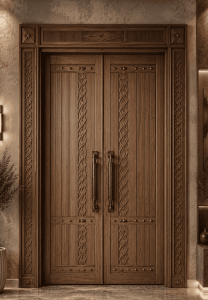
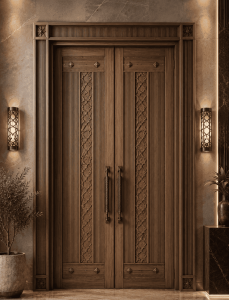
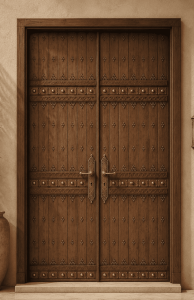
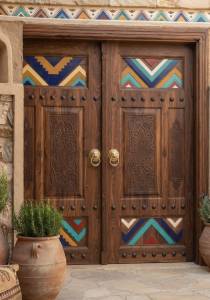
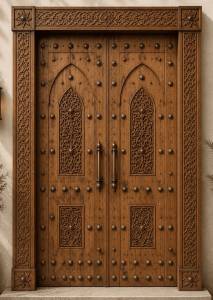
The old Saudi heritage style is characterized by a set of unique architectural and artistic features inherited across generations over centuries, combining deep-rooted authenticity with the practical function imposed by the local environment. These features appear in thick wooden doors with hand-carved engravings, windows decorated with Mashrabiyas, various geometric arches, and fine gypsum ornaments that adorn walls and ceilings.

The old Saudi heritage styles vary by region; we find the Najdi style with its balanced geometric compositions, the Asiri style with its vibrant colors and floral ornaments, the Hijazi style with its fine wooden Mashrabiyas, and the Eastern Coastal style with its triangular arches and gypsum ornaments. These styles are a national architectural heritage that deserves to be preserved and re-presented in a manner that reflects the depth of the past and the spirit of the place.
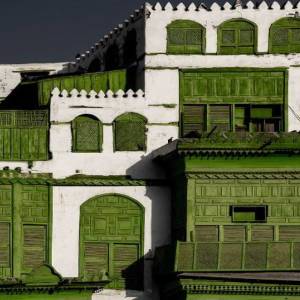
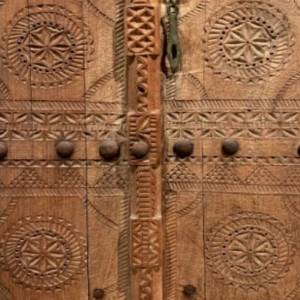
ERA Old Style
Time-Worn Model - Old Style

Old Style

Wooden products carrying the features of the old era.
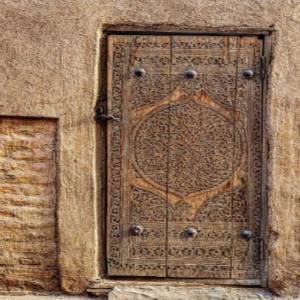
ERA Middle Style
Time-Worn Model - Middle Style

Middle Style

A precise balance between the features of time and natural influences.
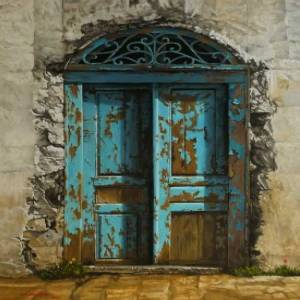
ERA Ancient Style
Time-Worn Model - Ancient Style

Ancient Style

Authentic time touches that preserve the spirit of Saudi heritage.
ERA Authentic Style
Time-Worn Model - Authentic Style

Authentic Style

A unique artistic synthesis between the factors of time and authentic design.

FROM IDEA TO MANUFACTURED ELEMENT

From Heritage Idea to Manufactured Element

Transforming architectural details into executable wooden elements — an integrated work system that connects architectural vision with industrial capabilities inside the factory.

Introduction to the Methodology

In projects with heritage identity, the result does not start from the final product; rather, it starts from understanding the details that shape the identity of the place, then transforming them into elements that can be developed, manufactured, prepared, and supplied according to project requirements. At Qnadeel Furniture, the work system extends from drawings and design to manufacturing, preparation, supply, and execution, connecting architectural vision with industrial capabilities inside the factory.

The Work System

01

Drawings and Design

Reading architectural drawings and details and identifying wooden elements connected to the project's identity.

02

Studying Details

Analyzing dimensions, compositions, ornaments, materials, and details necessary to achieve the required form and function.

03

Developing the Element

Converting the idea or architectural details into a wooden element that can be manufactured according to project requirements.

04

Manufacturing

Producing elements inside the factory according to approved details while benefiting from expertise and production capabilities.

05

Preparation

Preparing, assembling, and equipping elements according to the nature of use and supply and installation requirements.

06

Supply

Organizing and preparing elements for supply within the project scope in accordance with delivery requirements.

07

Execution

The wooden element reaches the project site to become an actual part of its architectural composition.

HERITAGE AS MANUFACTURING

Heritage as Manufacturing

This system allows dealing with heritage details as architectural elements that can be developed, manufactured, and executed, not just ornaments or visual ideas. The heritage door, window, Roshan, Mashrabiya, arch, ornament, and interior wooden element; all can be developed to suit the project's details, while preserving the features that give Najdi, Asiri, Hijazi, and Eastern Coastal styles their distinctive identity.

PROJECT SCOPE INTEGRATION

From Details to Project Scopes

The work stages integrate with the requirements of projects that rely on drawings, executive details, specifications, and bills of quantities, and coordination between various works, allowing the development of wooden elements within specific scopes or within an integrated system of project works. Here lies the value of Qnadeel as a Saudi factory for wooden works with the ability to move from reading architectural details to developing, manufacturing, preparing, supplying, and executing the element.

THE COMPLETE JOURNEY
Idea Inspired by Heritage Architectural Details Developed Wooden Element Manufacturing Inside the Factory Preparation and Supply Actual Presence Inside the Project
ENGINEERING-DRIVEN MANUFACTURING

Execution According to Drawings and Specifications for Projects

Manufacturing wooden elements within the engineering requirements of the project — a manufacturing capability that deals with the wooden element as part of the architectural work scope.

Projects with heritage architectural identity require a manufacturing capability that deals with the wooden element as part of the architectural work scope, not a ready-made product limited to a standard size or design. At Qnadeel Furniture, the process of developing and manufacturing wooden elements is linked to architectural drawings, details, specifications, and approved quantities, allowing the manufactured product to align with the technical and design requirements of the project.

Manufacturing According to Project Data

01

Dimensions and Measurements

Manufacturing elements according to the dimensions and details specified in the drawings and project requirements.

02

Architectural Drawings and Details

Reading drawings and details and converting design requirements into wooden elements that can be manufactured and executed.

03

Quantities and Repetition

Managing repetitive elements and required quantities within the project scope while maintaining consistency in dimensions and details.

04

Custom Designs

Developing non-standard elements according to the designs and architectural identity specific to each project.

05

Unifying Elements

Maintaining consistency in specifications, compositions, and details in repetitive elements across units, buildings, and different phases.

06

Technical Specifications

Linking the manufacturing process to specifications, quality requirements, and the defined work scope of the project.

FROM ELEMENT TO INTEGRATED SCOPE

From Element to Integrated Scope

The manufacturing capability extends to executing an interconnected group of wooden elements within a single scope, including doors, windows, Roshans, Mashrabiyas, ornaments, arches, interior elements, and others. This allows unifying details and design language across various elements, maintaining the architectural consistency of the project and reducing the need to deal with each element as a separate product.

CONSISTENCY MANAGEMENT

Consistency Management

In projects that include repetitive units, multiple buildings, or sequential execution phases, unifying elements, details, and specifications is a fundamental factor in maintaining a consistent level of quality and architectural appearance. The manufacturing system allows dealing with repetitive elements according to a design reference and defined specifications, supporting continuity and conformity in executed elements across the project scope.

INTEGRATED MANUFACTURING SYSTEM
Drawings Architectural Details Requirements Review Element Development Details Approval Manufacturing Preparation Supply Execution

Qnadeel Furniture combines expertise in manufacturing wooden works, understanding of details inspired by Saudi architecture, and the ability to develop elements according to project requirements, supporting the execution of heritage and architectural works within multi-unit, multi-phase, and multi-use projects.

Qnadeel Furniture — Manufacturing heritage wooden elements according to drawings and specifications, within an integrated work scope for projects.

FREQUENTLY ASKED QUESTIONS

Frequently Asked Questions

Clear answers about Qnadeel Furniture Factory services in implementing Saudi heritage style for projects.

Does Qnadeel Factory execute doors inspired by Najdi style?
Yes, Qnadeel's work includes designing, manufacturing, and executing wooden doors inspired by Najdi style, with the possibility of developing details and ornaments in accordance with the architectural identity and drawings specific to the project.
Can a heritage design be executed according to project drawings?
Yes, wooden elements are developed according to the drawings, architectural details, dimensions, quantities, and approved specifications of the project, allowing the transformation of the custom design into a wooden element that can be manufactured and executed.
What types of wooden elements can be executed?
Work includes main and interior doors, windows, Roshans, Mashrabiyas, balconies, arches, ornaments and wooden panels, Majlis, ceilings and interior and exterior architectural elements, in addition to custom elements according to project requirements.
Does Qnadeel execute hotel and resort projects?
Qnadeel's solutions extend to hospitality projects, resorts, tourism, residential, commercial, cultural, governmental, and private projects, with wooden elements developed to suit the architectural identity, nature of use, and project requirements.
Can heritage style and contemporary design be combined?
Yes, elements inspired by Najdi, Asiri, Hijazi, and Eastern Coastal styles can be reformulated within contemporary designs, while preserving the essential features of heritage identity and achieving harmony with the modern language of the project.
Does the factory work with developers, contractors, and engineering offices?
The work system extends to engineering and construction project requirements, including dealing with drawings, details, specifications, quantities, element repetition, and work scope, through to manufacturing, preparation, supply, and execution.
Can large quantities for projects be executed?
Yes, manufacturing capabilities allow dealing with repetitive quantities and multi-unit and multi-phase elements, with a focus on unifying dimensions, details, and specifications to maintain consistency between elements within the project scope.
Does the factory cover projects in all regions of Saudi Arabia?
Yes, Qnadeel Furniture executes and supplies projects in various regions of the Kingdom of Saudi Arabia, according to the nature of the project, work scope, and supply and on-site execution requirements.
Qnadeel Furniture

Contact Us About Your Project

For manufacturing and executing wooden elements inspired by Saudi heritage style according to approved architectural drawings, details, and specifications of the project.

Industrial expertise that combines precision of execution, authenticity of style, and the requirements of hospitality, residential, tourism, commercial, and cultural projects.

DESIGN · MANUFACTURING · EXECUTION
01

Project Details

Data is sent directly to the Qnadeel team.

Project data will be sent directly to the Qnadeel team.
اتصل الان