

Qnadeel Furniture — Implementing Heritage Style
Qnadeel Furniture believes that one of its primary missions and national affiliations is to contribute to preserving the distinctive architectural heritage of Saudi architecture and the urban style of all regions of the Kingdom of Saudi Arabia where Qnadeel Furniture offers wooden products with an old architectural style from antique wooden doors, windows, prominent balconies, wooden corridors, seating areas, and all suitable decorations for these styles in wood, making us a Saudi factory contributing to the preservation of this authentic architectural art.
Saudi Architecture is an essential part of enhancing quality of life, as it contributes to improving the urban landscape and celebrating cultural heritage through its unique designs that reflect heritage, urban authenticity, and modern development simultaneously, to achieve the objectives of Saudi Vision by developing sustainable urban environments that reflect national identity.
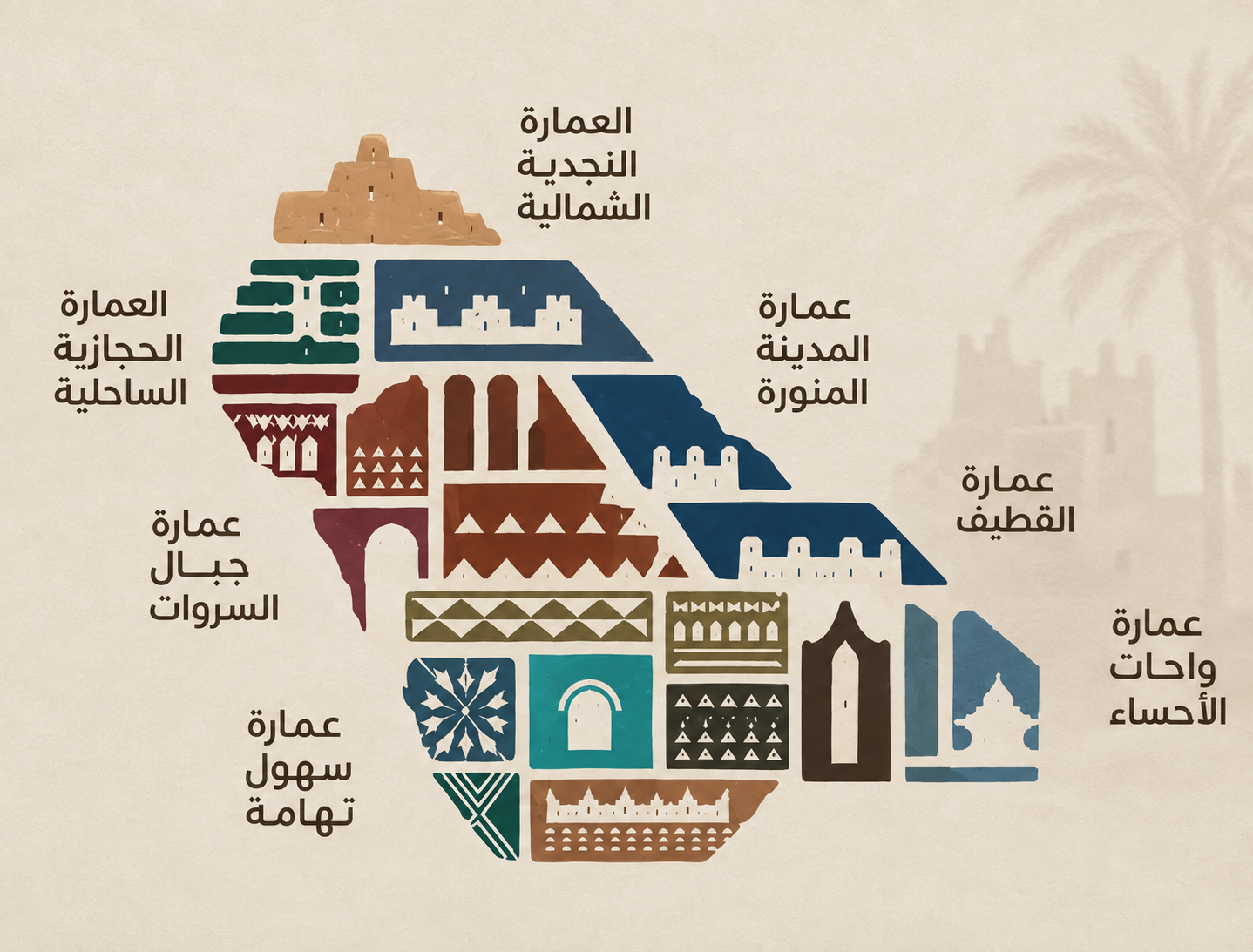
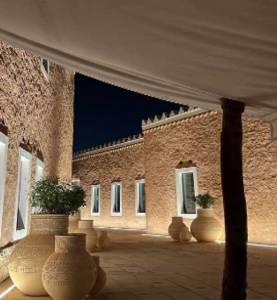
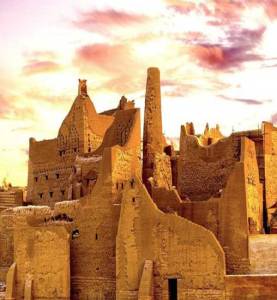
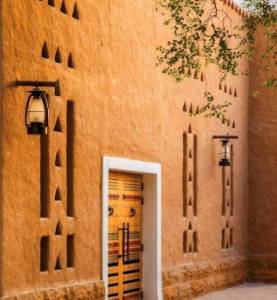
Expertise That Translates Najdi Style into Architectural Reality
 01
01
 02
02
 03
03
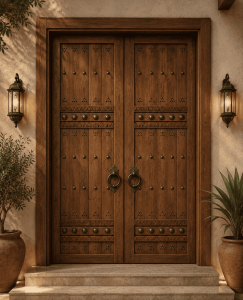 04
04
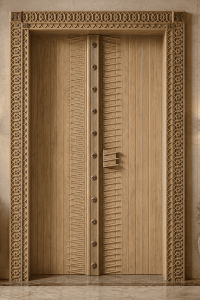 05
05
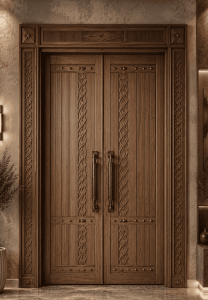 06
06
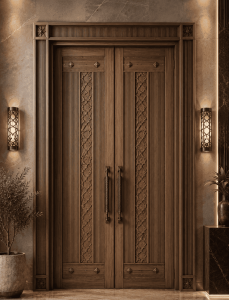 07
07
 08
08
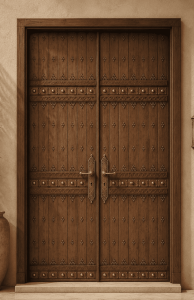
Expertise in Designing and Executing Najdi Style for Various Projects
Qnadeel Furniture has expertise in designing and executing wooden elements inspired by the Najdi architectural style, with an understanding of the details that give this style its distinctive identity and balance between authenticity and the requirements of contemporary projects.
If you have a special project, architectural design, heritage idea, or desire to implement the Najdi identity within a new or existing project, you can discuss the project requirements with the Qnadeel team and transform the idea into wooden elements that can be designed, manufactured, and executed.
Discuss Your Najdi Project with Qnadeel ←FURNITURE FACTORY
Asiri Architectural Style
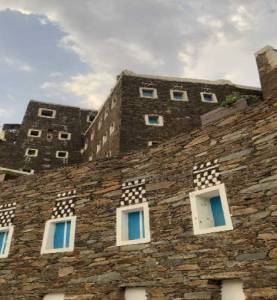
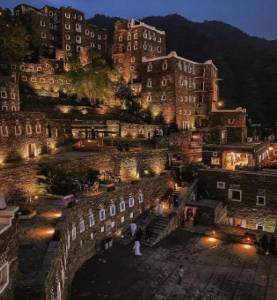
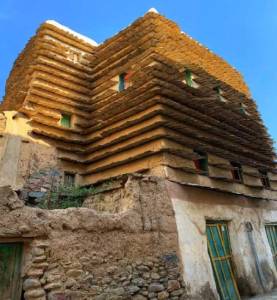
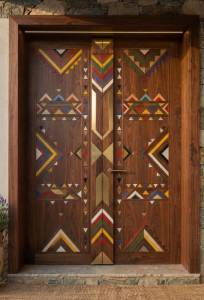
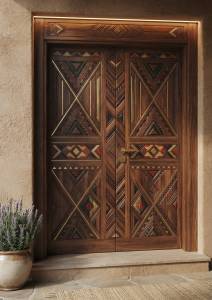
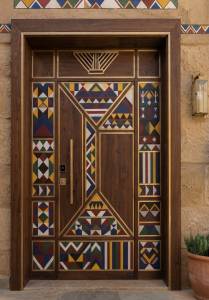
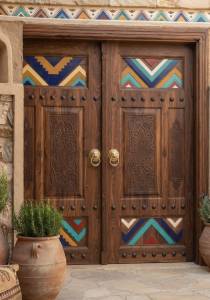
The architectural style of the Asir highlands is embodied in its ability to adapt to the unique climate and diverse terrain of the Sarawat mountains in the Asir region.
Buildings are characterized by the use of local materials such as stone and mud bricks, and are designed to withstand heavy rains and low temperatures. Buildings feature compact masses with geometric shapes, flat roofs, and narrow, tall windows that contribute to controlling humidity and temperatures. Buildings are characterized by a base of local stone for protection from rain, while the upper facades are built from mud to improve thermal efficiency.
The style is also characterized by the use of traditional artistic patterns such as "Al-Qatt Al-Asiri" to add a decorative dimension. All these elements aim to create an architectural and urban style harmonious with the surrounding environment.
 01
01
 02
02
 03
03
 04
04
 05
05
 06
06
 07
08
07
08
We Transform Asiri Style Details into Executable Architectural Elements
At Qnadeel Furniture, we work on employing the distinctive features of the Asiri style in wooden elements and architectural details while preserving the spirit of heritage identity, taking into account the design and execution requirements in contemporary projects.
Our expertise includes developing solutions inspired by the Asiri style for hospitality, residential, tourism, commercial, cultural, and other projects, whether the project relies on a complete Asiri identity or needs to employ heritage elements within a modern architectural design.
Do you have a project, design, idea, or architectural details inspired by Asir? Discuss the execution requirements with the Qnadeel team.
Discuss Your Asiri Project with Qnadeel ←HERITAGE SAUDI ARCHITECTURAL IDENTITY
Hejazi Architectural Style
Coastal Hejazi architecture extends along the Red Sea, influenced by the coastal nature, cultural interaction, and geographical diversity.
The city of Jeddah is the largest city in this region, where it played a major role as a commercial port and a main station for exchanging knowledge and expertise, which was reflected in its distinctive urban patterns.
The role of the coastal climate in shaping designs is evident, as the Roshans and prominent balconies contribute to enhancing natural ventilation, while decorated windows with small openings provide integration between privacy and aesthetic function.
The style is characterized by a clear division in facades with complex geometric decorative elements, giving it a rich visual character that reflects the spirit of the place.
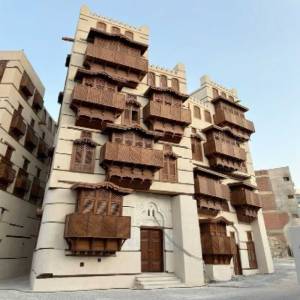
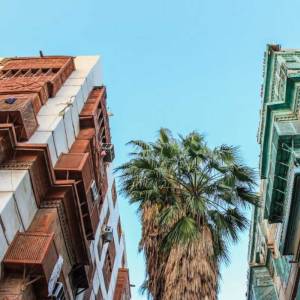
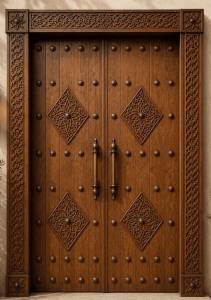
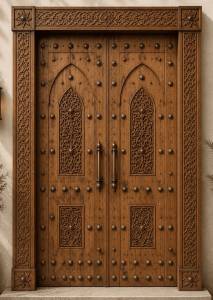
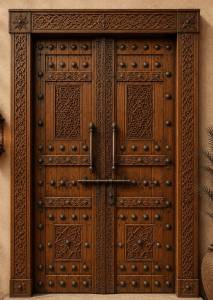
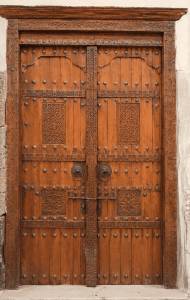
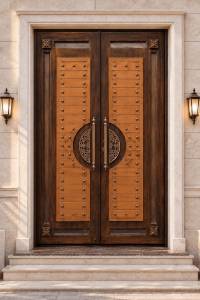
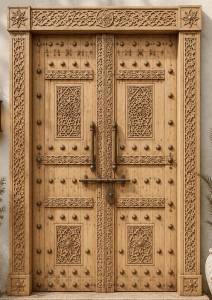
We Transform Hejazi Identity into Executable Architectural Details
Qnadeel Furniture has expertise in designing and executing wooden elements inspired by the Hejazi architectural style, with attention to the details that give Roshans, doors, windows, and wooden elements their distinctive identity within contemporary projects.
We work on developing solutions inspired by Hejazi architecture for hospitality, residential, tourism, commercial, cultural, and other projects, achieving a balance between heritage identity and the requirements of design, manufacturing, and execution.
Do you have a special project, architectural design, heritage idea, or desire to employ the Hejazi identity within a new or existing project? Discuss the project requirements with the Qnadeel team.
Discuss Your Hejazi Project with Qnadeel ←Architectural Style of the Eastern Coast
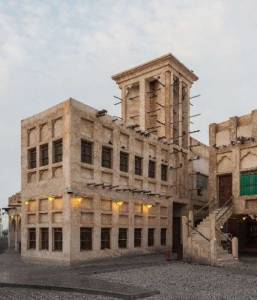
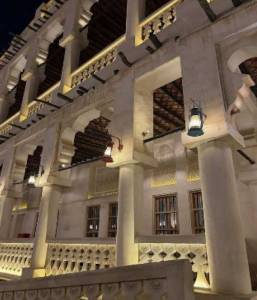
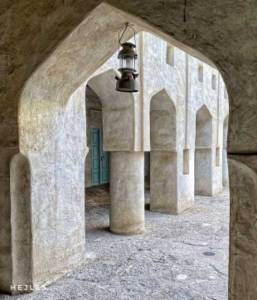
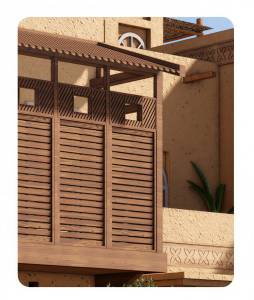
The Eastern Coastal architectural style is shaped by the coastal environment of the Kingdom and its development. Traditional architecture is characterized by the use of sturdy walls of coral stone, often coated with white gypsum to improve heat resistance, large recessed openings with wooden shutters, and Mashrabiyas designed to withstand the hot and humid climate, along with distinctive architectural elements such as fine gypsum ornaments and triangular arches, and high entrances with floral motifs.
Traditional houses are centered around courtyards shaded by arcades, which enhances privacy and climate adaptation, and the traditional Eastern Coastal architectural style can take multiple forms in contemporary architectural designs.
Distinctive Architectural Elements of the Eastern Coastal Style
Coral Stone
Sturdy walls of coral stone coated with white gypsum for heat resistance.
Wooden Mashrabiyas
Mashrabiyas designed to withstand the hot and humid climate while providing privacy.
Triangular Arches
Distinctive architectural elements with fine gypsum ornaments and high entrances.
Floral Motifs
High entrances with floral motifs and courtyards shaded by arcades.
Are you looking to implement the Eastern Coastal architectural style in your project?
The Qnadeel Furniture team is ready to transform this architectural identity into luxurious, custom wooden elements.
Time-Worn Models for Wooden Products
The old Saudi heritage style is characterized by a set of unique architectural and artistic features inherited across generations over centuries, combining deep-rooted authenticity with the practical function imposed by the local environment. These features appear in thick wooden doors with hand-carved engravings, windows decorated with Mashrabiyas, various geometric arches, and fine gypsum ornaments that adorn walls and ceilings.
The old Saudi heritage styles vary by region; we find the Najdi style with its balanced geometric compositions, the Asiri style with its vibrant colors and floral ornaments, the Hijazi style with its fine wooden Mashrabiyas, and the Eastern Coastal style with its triangular arches and gypsum ornaments. These styles are a national architectural heritage that deserves to be preserved and re-presented in a manner that reflects the depth of the past and the spirit of the place.
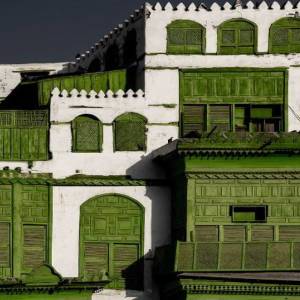
Old Style
Wooden products carrying the features of the old era.
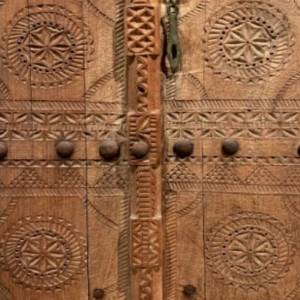
Middle Style
A precise balance between the features of time and natural influences.
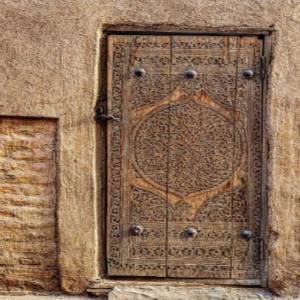
Ancient Style
Authentic time touches that preserve the spirit of Saudi heritage.
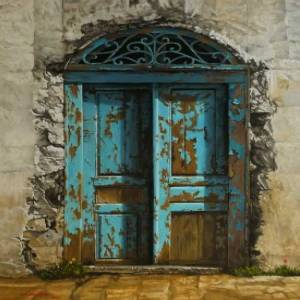
Authentic Style
A unique artistic synthesis between the factors of time and authentic design.